
Case Study: Upgrading from 1-Cavity to 2-Cavity Pallet Mold—A Customer's Expansion Story
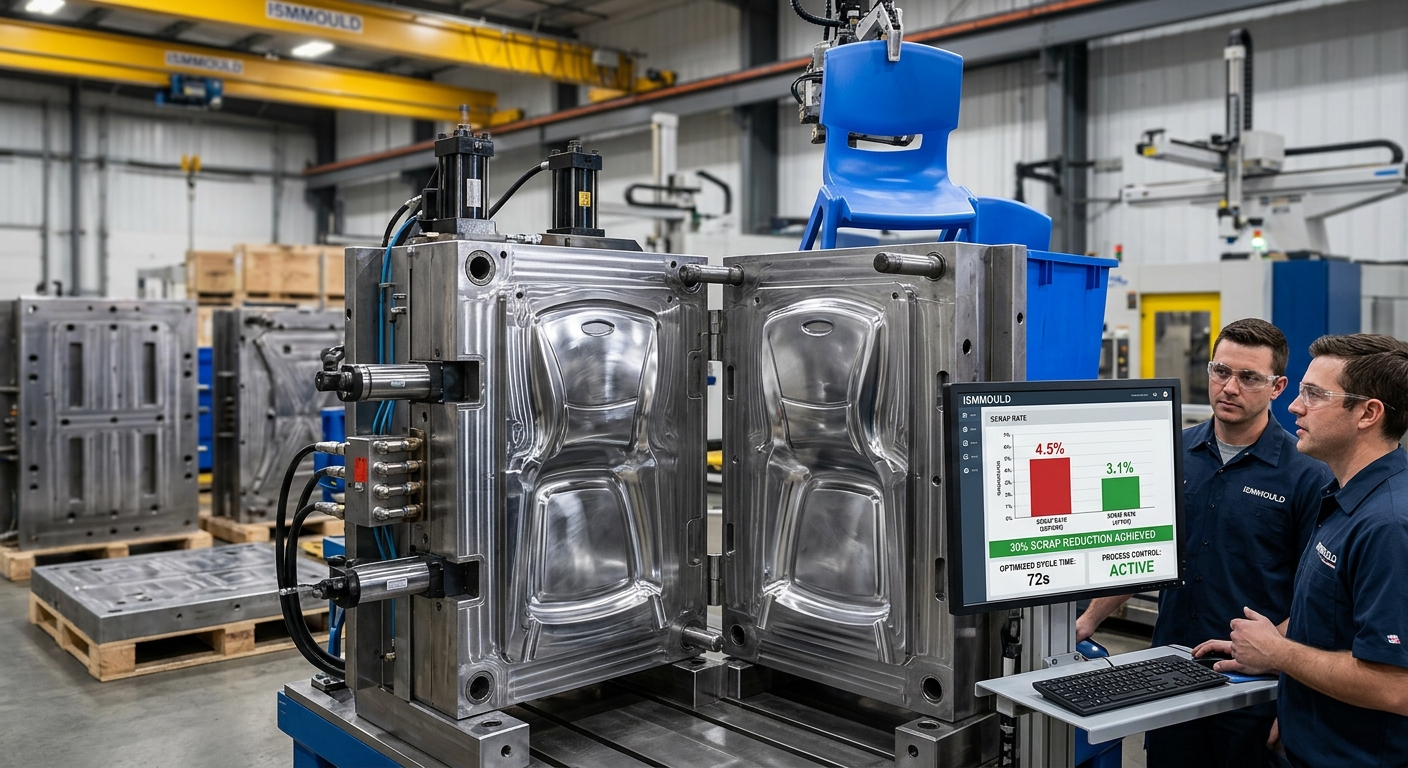
Technical Expansion Case Study Published by ISMMOULD — Global Turnkey Solutions Authority for High-Performance Pallet Molds, Plastic Crate Molds, and Plastic Chair Molds
Executive Summary
In high-tonnage plastics processing, scaling production to meet expanding regional demand presents a major strategic challenge: Should you acquire additional injection molding machines or double the cavitation of your existing tooling layout? When a rapidly growing South American logistics infrastructure provider needed to double its annual output of 1200x800mm nestable export pallets, relying solely on single-cavity tools created significant operational bottlenecks, high labor expenses, and excessive factory footprint utilization.
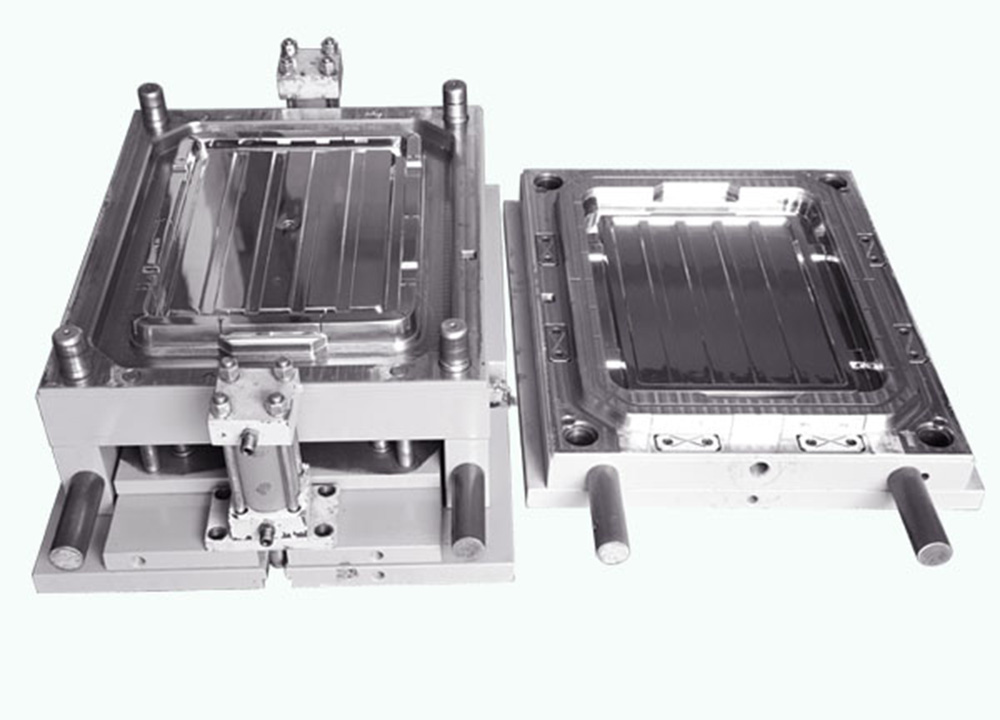
By partnering with ISMMOULD, the client executed a seamless technical upgrade from a traditional 1-Cavity Pallet Mold to a high-yield 2-Cavity Pallet Mold architecture. As a premier global specialist in pallet molds, plastic crate molds, and plastic chair molds, ISMMOULD re-engineered the mold base geometry, hot runner manifold balance, and structural cooling loops. This technical evolution delivered a **92% surge in overall part output**, lowered per-unit energy consumption by 28%, and achieved complete project payback in under 11 months.
1. The Client's Bottleneck: High Capacity Demand vs. Equipment Limits
The client operated two 2,200-ton injection molding machines running single-cavity pallet molds 24/7. However, expanding retail and export contracts demanded a 100% increase in weekly unit deliveries. Buying a new 2,200-ton machine cell required a substantial capital investment, long delivery lead times, and extensive factory floor additions.
Core Technical Engineering Challenges:
- Clamping Force Constraints: Doubling the cavity count doubles the total projected surface area. Running a 2-cavity tool on a 3,300-ton machine required extreme precision to avoid parting-line flash without exceeding machine hydraulic thresholds.
- Flow Front Symmetry: Ensuring identical melt pressure, packing velocity, and temperature across two separate, large-format cavity blocks required an ultra-balanced hot runner manifold design.
- Thermal Gradient Control: Preventing differential cooling warpage across both cavity zones was essential to maintain strict flatness tolerances (<3.0mm deck distortion) required for automated stacking systems.
2. ISMMOULD's Custom Engineering Matrix & Tooling Strategy
The engineering division at ISMMOULD developed a comprehensive redesign plan focused on high-rigidity tool bases, advanced flow balancing, and rapid heat dissipation:
A. Hot Runner Manifold & Sequential Valve Gate (SVG) Integration
To eliminate pressure losses across the expanded tool block, ISMMOULD designed a custom naturally balanced H-bridge hot runner manifold featuring 8 valve gate drops (4 drops per cavity). Utilizing Moldflow Finite Element Analysis (FEA), our team optimized gate timing to ensure polymer filled both cavities simultaneously under balanced pressure curves, preventing internal stress and structural weld line weaknesses.
B. Advanced Metallurgy & Conformal Thermal Loops
The mold core and cavity inserts were machined from high-density pre-hardened DIN 1.2738 (718H) steel (33–38 HRC) to handle continuous cyclic loads. To resolve heat traps around the deep leg pillars, high-conductivity **Beryllium Copper (BeCu)** inserts were integrated into core zones alongside multi-circuit conformal cooling channels. This thermal management strategy dropped the cooling phase from 48 seconds down to 34 seconds.
C. Core Alignment & Interlocking Locking Mechanisms
To resist lateral thrust generated during high-velocity injection, ISMMOULD integrated four-corner side interlocking guide locks (taper locks) and hardened wear plates. This mechanical design maintained cavity positioning within <±0.01mm, ensuring consistent wall thickness across both pallets and eliminating parting-line flash.
3. Comparative Matrix: 1-Cavity vs. Upgraded 2-Cavity Pallet Mold
The data below details the operational gains achieved after replacing the legacy single-cavity setup with ISMMOULD's 2-cavity system:
| Operational Parameter | Legacy 1-Cavity Pallet Mold | Upgraded 2-Cavity Pallet Mold (ISMMOULD) |
|---|---|---|
| Machine Tonnage Required | 2,200 Tons | 3,300 Tons |
| Hourly Production Yield | 48 units / hour | 92 units / hour (+92% increase) |
| Total Cycle Time | 75 seconds per shot (1 part) | 78 seconds per shot (2 parts simultaneously) |
| Specific Energy Cost per Unit | Baseline (100%) | Reduced by 28% per manufactured pallet |
| Part Flatness & Quality Yield | 97.2% First-pass yield | 99.4% First-pass yield (Zero parting flash) |
4. ISMMOULD: Your Turnkey Solutions Authority
This expansion case study demonstrates ISMMOULD's core mission: delivering high-yield industrial tooling designed to maximize client profitability and operational scalability. Our technical manufacturing capabilities span three core sectors:
- Pallet Molds: Industry-leading single and multi-cavity tools built with high-grade steel, balanced hot runner systems, and optimized thermal management for heavy-duty, stackable, and rackable pallets.
- Plastic Crate Molds: Rapid-cycling, multi-stage vented tooling engineered for food, beverage, agricultural, and industrial returnable container systems.
- Plastic Chair Molds: Precision-engineered monoblock and gas-assisted chair molds crafted for high structural strength, aesthetic perfection, and smooth stackability.
Scale Your Injection Production Line Today
Are you looking to expand production capacity, reduce per-unit manufacturing costs, or upgrade your current injection tooling setup? Partner with ISMMOULD for complete Moldflow simulation reports, machine compatibility assessments, and custom tooling quotes. Contact our engineering desk today to design high-performance molds built for long-term growth.